

What are Stainless Steel 316L Bars? Manufacturers produce Stainless Steel 316L Bars as metal rods using an alloy that contains chromium, nickel, and molybdenum. They gain recognition for their excellent corrosion resistance, high durability, and strength. These bars find common usage in various industrial applications, including chemical processing, food processing, marine engineering, and medical equipment…
Category: bars blog
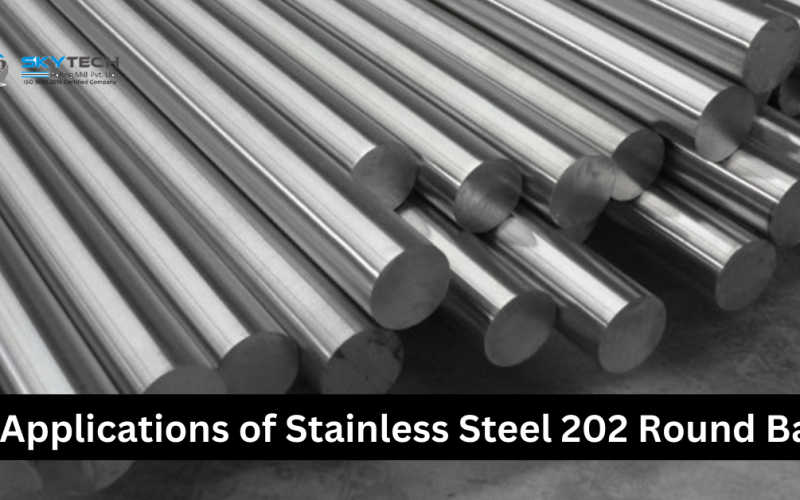
Applications of Stainless Steel 202 Round Bar
What are Stainless Steel 202 Round Bar Stainless steel in the 202 grade contains less nickel than Type 304, which has a great economic advantage over the latter. However, some products that require a high level of corrosion resistance may not be as attractive as SS202. Depending on the design, SS202 may be more elegant…

All About SMO 254 Round Bars
What are the SMO 254 Round Bars? The 254 SMO Round Bar is made of austenitic stainless steel. These bars have excellent nickel, chromium, and molybdenum chemical makeup. As a result, these bars are resistant to oxidation and all types of corrosion. The mechanical qualities of the SMO 254 Round Bar are excellent. The minimum…

Application and Uses of Duplex Steel Bar
Duplex Steel bar ware authenticate and ferritic steels with a two-phase microstructure. The relative proportions of ferrite and austenite forming components present in duplex stainless steel determine its mechanical qualities. Other than iron, the main alloying elements in the most popular 2205 grade (2.5–3.5 percent) are chromium (21–23%), nickel (4.5–6.5%), and molybdenum (4.5–6.5%). Because of…
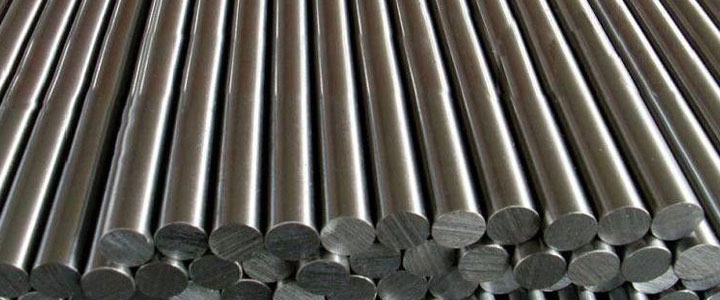
What Is The Difference Between MS Square Bar And MS Round Bars?
MS square bars are extremely strong and resistant to all weather conditions. MS square bars are used in a variety of industries, including construction, crane gantry, conveyors, bright bars, anchor bolts, and other designing industries. MS square bars are a well-known classification that is widely used in the manufacturing industry for machinery, fasteners, and equipment….
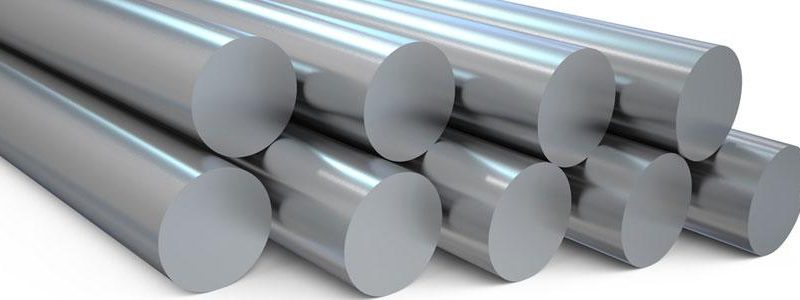
Stainless Steel Bright Bars For Machining Components
Stainless steel bright bars are known across the globe for their geometrically precise dimensions. Stainless steel bright bars which are also referred to as brilliant bars have exceptional tolerance. These bars are available in numerous shapes including round, square, hex, flat, etc. Stainless steel bright bars are available in numerous grades including Stainless Steel Bright…
Characteristics of Stainless Steel 304 Rods & Bars: Grades, Properties, and Applications
Stainless Steel 304 grade Stainless Steel 304 grade is standard stainless steel, also denoted as “18/8” stainless steel due to its chemical composition. Here, 18/8 indicates its composition of 18% chromium and 8% nickel. Grade 304 stainless steel is the most versatile and widely applicable material besides, variety of available alternatives. Also, the material has…

7 Things to Consider While Choosing a Right Stainless Steel Grade
Stainless steel was among the greatest inventions in human history. It is a type of metal alloy constructed from steel and other metals such as nickel and chromium. What separates stainless steel from the majority of the materials is their usefulness in countless applications. The wide variety of grades enables it to accommodate different applications across…
What Are Different Types of Stainless Steel Rods & Bars
Stainless steel bars (also known as stainless steel bars, stainless steel rounds or stainless steel round bars shaped as solid cylinders, as opposed to stainless steel square bars, stainless steel hex bars) are standard construction and finishing materials and are commonly used for a broad variety of structural and esthetic uses in all industries and…
Stainless Steel 316 Round Bar – Applications & Benefits
Stainless Steel 316 is the second most popular type of stainless steel. This has almost the same physical and mechanical properties as 304 stainless steel and has similar content. The fundamental difference is that 316 stainless steel contains around 2 to 3 percent of molybdenum. The addition improves the resistance to corrosion particularly against chlorides…